Thank you
for participating in public comment period

What is Water Over Nickel?
Water Over Nickel is an initiative by the Mille Lacs Band of Ojibwe and allied organizations to protect Minnesota’s people, natural resources, and cultural sites from the negative impact of nickel mining.
Our efforts are grounded in our commitment to preserve Minnesota’s natural environment and water resources for generations to come.

MINNESOTA’S WATER IS AT RISK.
The Minnesota Department of Natural Resources (DNR) is reviewing a permit for a proposed nickel mine located within the Mississippi and St. Croix River watersheds and near community homes, culturally significant waters, and wild rice harvesting sites.
As Minnesota’s first proposed nickel mine, the Tamarack Mine will set a precedent for how mining proposals are evaluated in our water-rich, environmentally sensitive ecosystem.
YOU CAN HELP PROTECT OUR WATER’S FUTURE.
95% of Minnesotans believe we must protect water for future generations. Yet, Minnesota’s most vital and sensitive watersheds are under growing threat from transnational sulfide ore mining companies.
There has never been a clean nickel mine. Water pollution from mining practices can last far beyond any permit, project or political term.
Minnesotans can protect our water’s future during a DNR public comment period July 14 through September 12. This pivotal moment is one of the most direct ways to influence decisions about the Tamarack Mine.
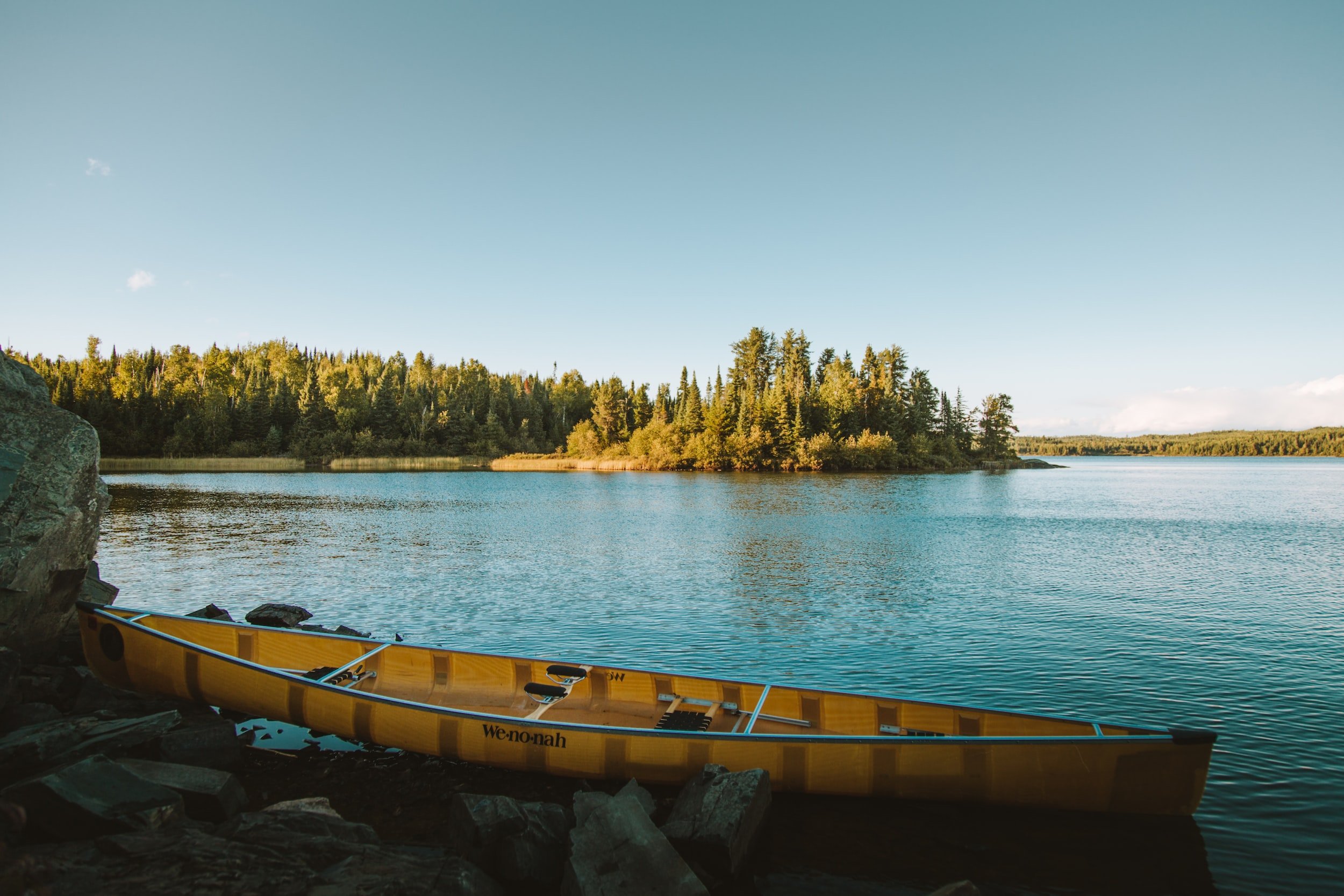
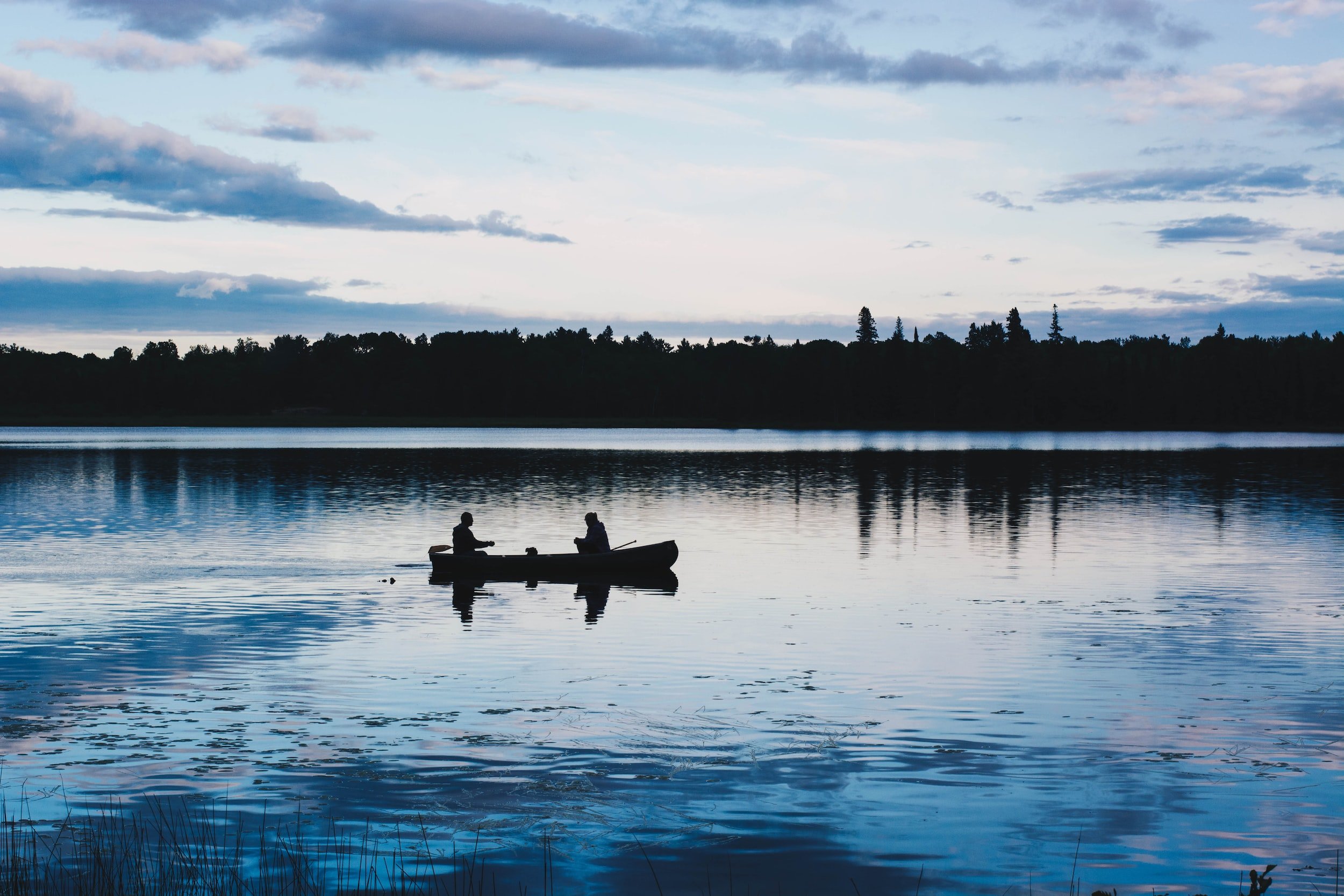
we can advance a green economy without relying on practices that threaten CLEAN water.




FAST FACTS
The proposed Tamarack Mine sits near homes and culturally significant places, including Rice Lake, Sandy Lake, and Round Lake. About 90% of the ore body lies beneath wetlands, peatlands, and lakes — making this a uniquely risky place to mine (Friends of the Mississippi River, 2025).
In water-rich landscapes like Tamarack, mine runoff and pollution risks can persist for 500–1,000 years. Contamination can spread through major watersheds and affect communities far beyond the mine site (Friends of the Mississippi River, 2025).
Nickel mining has a long track record of harming water quality and surrounding ecosystems. In the U.S., metal mining has contaminated an estimated 40% of rivers and 50% of lakes (EPA, 2023).
Recycling could cut demand for new mining by 25–40% by 2050, and recycled minerals produce about 80% fewer greenhouse gas emissions than newly mined materials (IEA, 2025).
Newer battery chemistries such as LFP (iron-phosphate) and sodium-ion are increasingly meeting booming EV demand while reducing reliance on nickel and cobalt in the clean energy transition (ScienceDirect, 2024).